Top Tips for Choosing an Automatic Chain Making Machine?
Choosing an Automatic Chain Making Machine can be a daunting task. Expert John Smith, a leading figure in the chain manufacturing industry, emphasizes, “Selecting the right machine defines your production quality.” With numerous options available, understanding the machines' features is crucial.
When evaluating these machines, consider their efficiency and reliability. Look into their operational speed and the types of chains they can produce. Each machine has its unique strengths and weaknesses. Some may be faster but compromise on precision, while others offer exceptional quality at a slower pace.
Keep in mind the long-term support and maintenance each manufacturer provides. Relying on durable equipment is vital for sustained productivity. Reflecting on your specific needs can lead to better choices. Investing in the right Automatic Chain Making Machine is essential, yet many overlook critical aspects in their decision-making process.
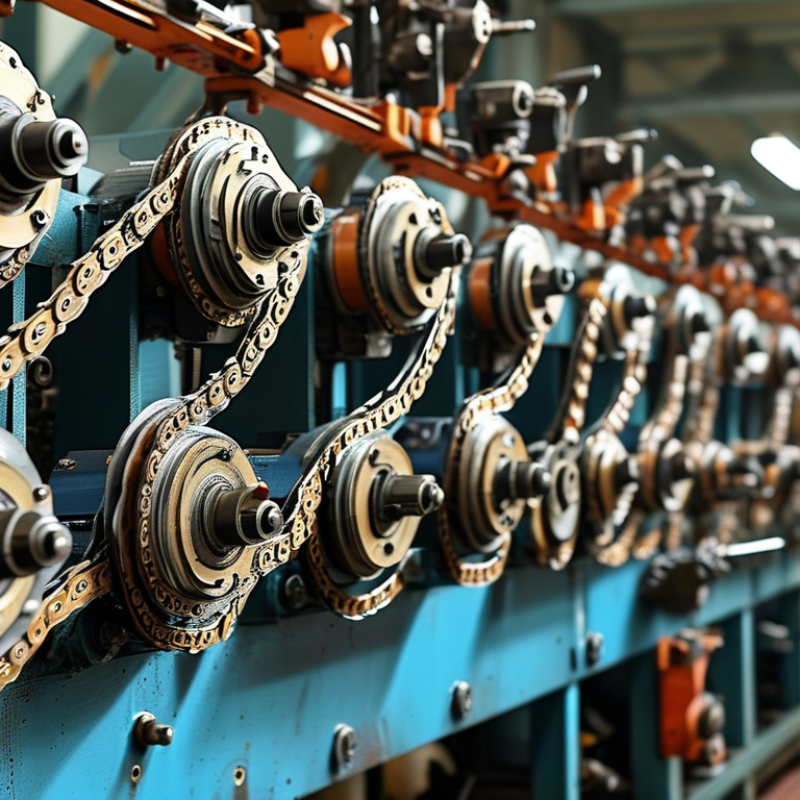
Key Features to Consider in Automatic Chain Making Machines
Choosing an automatic chain making machine involves several key features. One important aspect is the machine's speed. The right speed impacts productivity directly. A machine that operates too slowly can hinder production rates. On the other hand, a machine that is too fast might compromise the quality of the chains produced.
Another essential feature is precision. Automatic machines should create chains with consistent sizes and shapes. This consistency ensures better quality control. Look for machines equipped with advanced sensors. This technology can help detect and correct any production errors in real-time.
Durability is also a significant factor. A robust machine will withstand the rigors of production. However, consider the maintenance required for longevity. Routine checks can prevent unexpected breakdowns. Reflecting on these aspects can lead to a more informed decision. Each feature should align with specific production needs.
Top Tips for Choosing an Automatic Chain Making Machine
| Feature |
Description |
Importance |
Value Range |
| Production Speed |
The speed at which the machine can produce chains, measured in units per hour. |
High |
50 - 250 units/hour |
| Ease of Use |
User-friendly interface and controls for easy operation. |
Medium |
N/A |
| Material Compatibility |
Types of materials the machine can handle, such as metals or plastics. |
High |
Metals, plastics |
| Durability |
The machine's build quality and resistance to wear over time. |
High |
10+ years |
| Technical Support |
Availability of customer support and service options. |
Medium |
24/7 support |
| Maintenance Requirements |
Frequency and ease of required maintenance tasks. |
High |
Monthly |
| Energy Consumption |
The amount of energy required for operation, typically measured in kW. |
Medium |
3 - 10 kW |
| Cost |
Initial purchase price of the machine. |
High |
$10,000 - $50,000 |
Understanding Different Types of Chain Making Machines
When exploring chain making machines, it’s essential to understand the different types available. Automatic chain making machines vary significantly in design and functionality. The primary types include link-making machines, chain assembling machines, and welding machines. Each is tailored for specific uses, impacting the production capacity and quality of the chains produced.
According to a 2022 market report by ResearchAndMarkets, the automatic chain manufacturing industry is expected to grow at a CAGR of 5.6% over the next five years. This suggests an increasing demand for efficient production methods. Link-making machines often yield higher speed outputs. In contrast, welding machines provide superior strength for high-load applications. Understanding these distinctions can lead to more informed decisions.
Choosing the right type can be challenging. Each machine presents unique features and limitations. The integration level and operational complexity can vary. It's vital to assess local market needs and production goals. Seeking advice from experienced professionals can further clarify which machine meets specific requirements. Balancing quality and cost remains a common dilemma, highlighting the need for thorough research.
Assessing Production Capacity and Efficiency Requirements
When selecting an automatic chain making machine, focus on production capacity and efficiency. Understanding your specific production needs is essential. Determine how many chains you aim to produce daily. This will help you calculate the required machine speed.
Consider the complexity of the chains as well. More intricate designs may slow down production.
Tip: Look for machines that provide adjustable speed settings. This flexibility allows you to optimize production according to your workflow. Additionally, seek machines known for minimal downtime. A machine that frequently requires repairs can disrupt your output.
Think about energy efficiency as well. Machines that use less power can reduce your operational costs significantly. Evaluate energy ratings before making a purchase. Some machines may seem faster but can be energy guzzlers. Balancing speed and efficiency is crucial for sustainable production. Understanding these factors ensures you choose a machine that fits both your capacity needs and budget constraints.
Evaluating Cost vs. Quality in Machine Selection
When selecting an automatic chain making machine, the balance between cost and quality is crucial. A cheap machine might seem appealing, but hidden costs emerge. Frequent breakdowns can lead to increased downtime, affecting production efficiency. Investing in a quality machine often means fewer repairs and longer operational life, which is vital for sustained output.
It's essential to assess what features the machine offers. Price alone does not dictate value. A higher upfront cost can bring advanced technology that enhances automation and precision. An efficient machine saves labor costs and produces consistent quality chains. These factors amplify your business’s reputation and customer satisfaction.
Consider also the long-term impact of choosing based solely on price. A seemingly economical machine can lead to hidden expenses. Think about maintenance fees, replacement parts, and operational inefficiencies. The right decision today shapes your business tomorrow. Ensure that your choice aligns with your production goals and quality standards. Reflecting on these aspects will guide you toward a more informed investment.
Importance of After-Sales Support and Maintenance Services
When considering an automatic chain making machine, after-sales support and maintenance services play a crucial role. A reliable service ensures your operations run smoothly. If a machine breaks down, rapid assistance can prevent costly downtime. You should assess the response times of potential suppliers. Prompt support can significantly reduce the impact on production.
Maintenance services are equally important. Regular check-ups can prolong the machine's lifespan. A lack of maintenance might result in frequent repairs. It is wise to ask about the maintenance schedules the supplier offers. Consistent service can uncover potential issues before they escalate.
Investing in training for your team is also vital. Knowledgeable operators can handle minor issues themselves. This not only boosts efficiency but also enhances safety. A well-trained team minimizes dependency on external support. Seek suppliers that provide comprehensive training resources. Your long-term success relies on these elements as much as the machine itself.





 Lily
Lily Jason wong