Why Choose a Box Chain Making Machine for Your Business?
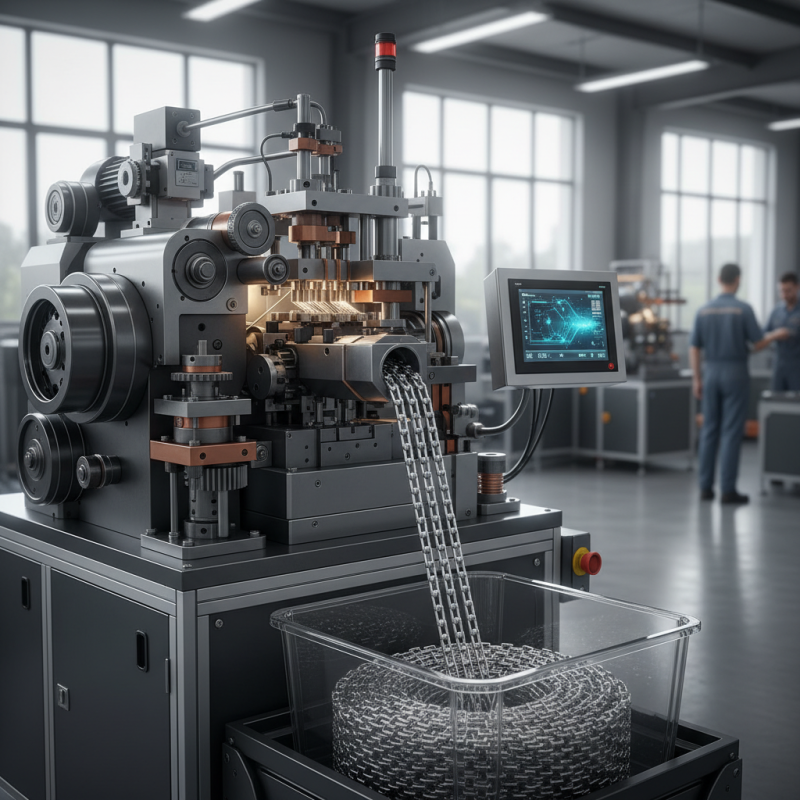
The Box Chain Making Machine is an essential tool for many businesses today. Its efficiency can transform production lines. When it comes to crafting quality chains, this machine meets high standards consistently.
A Box Chain Making Machine can increase your output significantly. It’s ideal for small workshops and large factories alike. The automation this machine provides reduces labor costs and minimizes errors. However, the initial investment may seem daunting. Reflecting on whether the machine fits your business model is crucial.
Moreover, the learning curve for operating this equipment can be steep. Training staff takes time, and you must adapt your workflow. Yet, the long-term benefits often outweigh these challenges. Investing in a Box Chain Making Machine could revolutionize your production process and product quality.
Advantages of Using Box Chain Making Machines in Manufacturing
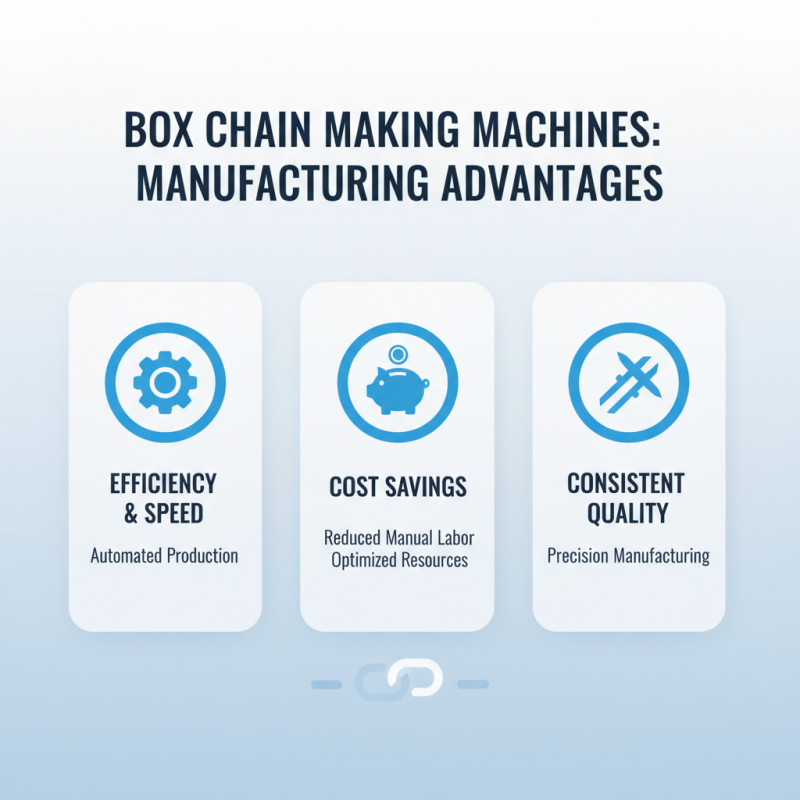
Box chain making machines offer numerous advantages for manufacturers. They provide efficiency in production, which is crucial in today’s competitive market. These machines automate various processes, reducing manual labor. As a result, companies can save on labor costs and allocate resources elsewhere. The precision of these machines also leads to a consistent product quality.
Flexibility is another notable benefit. Box chain making machines can produce different sizes and styles. This adaptability allows manufacturers to respond quickly to market demands. However, not every business may find the initial investment feasible. Small-scale manufacturers might face challenges in justifying the cost. It's essential to assess specific needs before making a purchase.
Maintaining a box chain machine is vital for optimal performance. Regular maintenance prevents costly downtimes. Nevertheless, some manufacturers overlook this aspect, leading to operational inefficiencies. The learning curve associated with these machines can also be steep. Training staff is necessary but may require extra time and resources. As the industry evolves, balancing machine efficiency and training becomes essential.
Key Features to Look for in a Box Chain Making Machine
When considering a box chain making machine, key features play a crucial role. Efficiency is paramount. High production rates enhance your business's potential. According to industry reports, machines should ideally produce up to 80 chains per hour. This can significantly increase output and reduce labor costs.
Quality of the chain is equally important. Look for machines that ensure uniformity and precision in every link. Inconsistent chains lead to product dissatisfaction. A machine’s ability to handle different materials broadens your market potential. Flexibility in production is vital for adapting to shifting consumer demands.
Tip: Regular maintenance can prolong machine life and reduce unexpected breakdowns. It's essential to choose machines with easy-to-access maintenance features.
Durability is another consideration. Many machines utilize high-grade materials to withstand continuous use. However, be cautious. Not every machine marketed as “heavy-duty” lives up to its claim. Conduct thorough research and seek user reviews that focus on longevity and performance.
Tip: Engage with other manufacturers or industry forums to gain insights into their experiences. Real feedback can guide your decision-making.
Cost-Effectiveness of Automated Chain Production Processes
Automating the chain production process can lead to significant cost savings. A box chain making machine streamlines manufacturing. This efficiency reduces labor costs dramatically. With the right setup, production rates can double without compromising quality. However, this requires a thoughtful investment.
Initial costs can be high. Many small businesses hesitate to invest in automation. But the long-term savings often outweigh these concerns. Less waste means more profit. However, transitioning to automation isn’t always seamless. It may come with a steep learning curve. Workers must adapt to new technologies. The shift can cause initial disruptions.
Quality control is another aspect to consider. Automation does ensure uniformity, but occasional defects may still occur. Regular maintenance of machines is crucial. It prevents costly downtimes. Businesses must remain proactive, monitoring production closely. In the end, the decision to automate could reshape a company’s future.
Impact on Production Efficiency and Output Quality
In today's manufacturing landscape, efficiency is paramount. A box chain making machine can significantly enhance production output. According to industry reports, businesses using automated systems see efficiency increases of up to 30%. This automation reduces labor costs while improving consistency in production.
The quality of output is equally critical. With a box chain making machine, precision is guaranteed. Studies show that automated machines produce fewer defects—often reducing error rates to under 2%. This precision boosts the overall quality of products, leading to higher customer satisfaction.
However, not every machine is perfect. Operators may encounter challenges in adjusting settings for varying materials. Training is essential to maximize potential productivity. Without it, efficiency could drop. Investing in a box chain making machine must involve careful planning and ongoing evaluation. This ensures that the benefits of improved efficiency and quality are fully realized, allowing businesses to compete effectively.
Impact of Box Chain Making Machine on Production Efficiency
Application and Versatility in Various Industries
A box chain making machine is increasingly relevant in various industries. Its versatility allows for applications in sectors like automotive, aerospace, and fashion. According to recent industry reports, the demand for high-quality chains has surged by 15% annually. This trend highlights the importance of reliable manufacturing processes.
In the automotive sector, the machine can develop durable chains for securing components. These chains ensure safety and efficiency in vehicle assembly. In fashion, box chains are used for jewelry. They provide a sleek design and strength that appeal to consumers. However, not all machines are created equal. Some designs may lack precision, leading to inconsistent quality.
Tips: Always assess material compatibility before production. This can prevent costly failures. Regular maintenance is essential to avoid downtimes. Consistency is key, but so is adaptability. Stay flexible to meet changing market demands. Balancing quality with cost-effectiveness can be challenging but necessary.





 Lily
Lily Jason wong